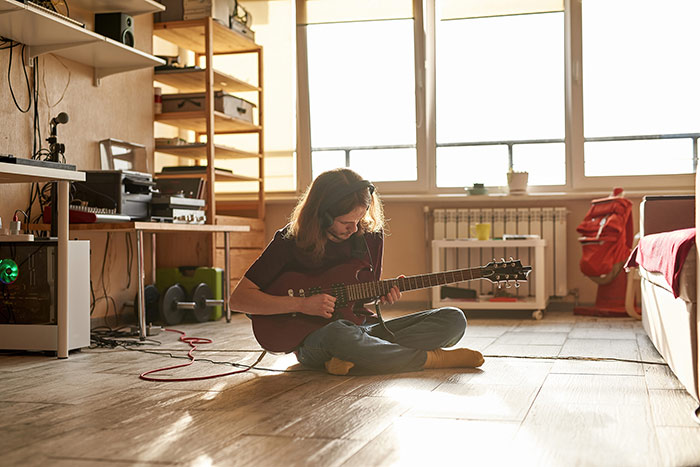
Today we are going to look at the chord progression of three ”Golden Oldies”, and if you don’t know all the songs, just google it and listen to some good sounds before attempting it yourself.
We proceed from the vantage point of basic guitar notation, so if something is new to you, it is advisable to catch up and get up to scratch by googling whatever is needed.
The purpose is to show you some salient features of especially popular guitar songs so that your own prowess can begin to grow as you incorporate these principles into your own abilities.
Music has a lot to do with convention and even counter-convention.
By convention, we mean practices and sounds that have by silent consent and usage acquired a specific meaning or musical “feeling”.
Why Eastern music differs from Western music lies in exactly this convention.
The scales and the notes differ substantially, but it is clear that both classes of music can be enjoyed thoroughly.
I remember listening one New Year’s Eve to a middle eastern band proficiently playing rock music in an East–West fusion format in Tel Aviv as part of the New Year’s celebrations.
By using the right mix of instruments, it was amazing what they conjured up.
The House of the Rising Sun
Am C D F E
How to play it
The 1 2 3 4 5 6 counts show that the song is in 6/8 time: six even beats to each chord. Try a simple picking pattern on each chord, from the bass string upwards (strings numbered 6 = low E to 1 = high E). For Am and C: 5–4–3–2–1–2. For D: 4–3–2–1–2–3. For F and E: 6–4–3–2–1–2. Keep the notes even and count out loud.
If picking feels tricky, strum instead: down on 1 and 4, with light up-strokes in between. Keep it gentle; the song should roll along in sixes, not march in fours.
Am
A#m
Bm
Cm
C#m
Dm
D#m
Em
Fm
F#m
Gm
G#m
1 2 3 4 5 6
C
C#
D
D#
E
F
F#
G
G#
A
A#
B
1 2 3 4 5 6
D
D#
E
F
F#
G
G#
A
A#
B
C
C#
1 2 3 4 5 6
F
F#
G
G#
A
A#
B
C
C#
D
D#
E
1 2 3 4 5 6
Am
A#m
Bm
Cm
C#m
Dm
D#m
Em
Fm
F#m
Gm
G#m
1 2 3 4 5 6
E
F
F#
G
G#
A
A#
B
C
C#
D
D#
1 2 3 4 5 6
Am
A#m
Bm
Cm
C#m
Dm
D#m
Em
Fm
F#m
Gm
G#m
1 2 3 4 5 6
E
F
F#
G
G#
A
A#
B
C
C#
D
D#
1 2 3 4 5 6
Am
A#m
Bm
Cm
C#m
Dm
D#m
Em
Fm
F#m
Gm
G#m
is a
C
C#
D
D#
E
F
F#
G
G#
A
A#
B
house in
D
D#
E
F
F#
G
G#
A
A#
B
C
C#
New
F
F#
G
G#
A
A#
B
C
C#
D
D#
E
leans
Am
A#m
Bm
Cm
C#m
Dm
D#m
Em
Fm
F#m
Gm
G#m
call the
C
C#
D
D#
E
F
F#
G
G#
A
A#
B
Rising
E
F
F#
G
G#
A
A#
B
C
C#
D
D#
Sun
Am
A#m
Bm
Cm
C#m
Dm
D#m
Em
Fm
F#m
Gm
G#m
been the
C
C#
D
D#
E
F
F#
G
G#
A
A#
B
ruin of
D
D#
E
F
F#
G
G#
A
A#
B
C
C#
many a poor
F
F#
G
G#
A
A#
B
C
C#
D
D#
E
boy
Am
A#m
Bm
Cm
C#m
Dm
D#m
Em
Fm
F#m
Gm
G#m
God, I
E
F
F#
G
G#
A
A#
B
C
C#
D
D#
know, I’m
Am
A#m
Bm
Cm
C#m
Dm
D#m
Em
Fm
F#m
Gm
G#m
one
E
F
F#
G
G#
A
A#
B
C
C#
D
D#
Am
A#m
Bm
Cm
C#m
Dm
D#m
Em
Fm
F#m
Gm
G#m
1 2 3 4 5 6
C
C#
D
D#
E
F
F#
G
G#
A
A#
B
1 2 3 4 5 6
D
D#
E
F
F#
G
G#
A
A#
B
C
C#
1 2 3 4 5 6
F
F#
G
G#
A
A#
B
C
C#
D
D#
E
1 2 3 4 5 6
Am
A#m
Bm
Cm
C#m
Dm
D#m
Em
Fm
F#m
Gm
G#m
1 2 3 4 5 6
E
F
F#
G
G#
A
A#
B
C
C#
D
D#
1 2 3 4 5 6
Am
A#m
Bm
Cm
C#m
Dm
D#m
Em
Fm
F#m
Gm
G#m
1 2 3 4 5 6
E
F
F#
G
G#
A
A#
B
C
C#
D
D#
1 2 3 4 5 6
Am
A#m
Bm
Cm
C#m
Dm
D#m
Em
Fm
F#m
Gm
G#m
mother
C
C#
D
D#
E
F
F#
G
G#
A
A#
B
was a
D
D#
E
F
F#
G
G#
A
A#
B
C
C#
tailor
F
F#
G
G#
A
A#
B
C
C#
D
D#
E
Am
A#m
Bm
Cm
C#m
Dm
D#m
Em
Fm
F#m
Gm
G#m
sewed my
C
C#
D
D#
E
F
F#
G
G#
A
A#
B
new blue
E
F
F#
G
G#
A
A#
B
C
C#
D
D#
jeans
Am
A#m
Bm
Cm
C#m
Dm
D#m
Em
Fm
F#m
Gm
G#m
father
C
C#
D
D#
E
F
F#
G
G#
A
A#
B
was a
D
D#
E
F
F#
G
G#
A
A#
B
C
C#
gambling
F
F#
G
G#
A
A#
B
C
C#
D
D#
E
man
Am
A#m
Bm
Cm
C#m
Dm
D#m
Em
Fm
F#m
Gm
G#m
Down in
E
F
F#
G
G#
A
A#
B
C
C#
D
D#
New
Am
A#m
Bm
Cm
C#m
Dm
D#m
Em
Fm
F#m
Gm
G#m
leans
E
F
F#
G
G#
A
A#
B
C
C#
D
D#
Am
A#m
Bm
Cm
C#m
Dm
D#m
Em
Fm
F#m
Gm
G#m
only
C
C#
D
D#
E
F
F#
G
G#
A
A#
B
things a
D
D#
E
F
F#
G
G#
A
A#
B
C
C#
gambler
F
F#
G
G#
A
A#
B
C
C#
D
D#
E
needs
Am
A#m
Bm
Cm
C#m
Dm
D#m
Em
Fm
F#m
Gm
G#m
suitcase
C
C#
D
D#
E
F
F#
G
G#
A
A#
B
and a
E
F
F#
G
G#
A
A#
B
C
C#
D
D#
trunk
Am
A#m
Bm
Cm
C#m
Dm
D#m
Em
Fm
F#m
Gm
G#m
only
C
C#
D
D#
E
F
F#
G
G#
A
A#
B
time he’s
D
D#
E
F
F#
G
G#
A
A#
B
C
C#
satis
F
F#
G
G#
A
A#
B
C
C#
D
D#
E
fied
Am
A#m
Bm
Cm
C#m
Dm
D#m
Em
Fm
F#m
Gm
G#m
when he’s
E
F
F#
G
G#
A
A#
B
C
C#
D
D#
all
Am
A#m
Bm
Cm
C#m
Dm
D#m
Em
Fm
F#m
Gm
G#m
drunk
E
F
F#
G
G#
A
A#
B
C
C#
D
D#
Am
A#m
Bm
Cm
C#m
Dm
D#m
Em
Fm
F#m
Gm
G#m
1 2 3 4 5 6
C
C#
D
D#
E
F
F#
G
G#
A
A#
B
1 2 3 4 5 6
D
D#
E
F
F#
G
G#
A
A#
B
C
C#
1 2 3 4 5 6
F
F#
G
G#
A
A#
B
C
C#
D
D#
E
1 2 3 4 5 6
Am
A#m
Bm
Cm
C#m
Dm
D#m
Em
Fm
F#m
Gm
G#m
1 2 3 4 5 6
E
F
F#
G
G#
A
A#
B
C
C#
D
D#
1 2 3 4 5 6
Am
A#m
Bm
Cm
C#m
Dm
D#m
Em
Fm
F#m
Gm
G#m
1 2 3 4 5 6
E
F
F#
G
G#
A
A#
B
C
C#
D
D#
1 2 3 4 5 6
Am
A#m
Bm
Cm
C#m
Dm
D#m
Em
Fm
F#m
Gm
G#m
mothers,
C
C#
D
D#
E
F
F#
G
G#
A
A#
B
tell your
D
D#
E
F
F#
G
G#
A
A#
B
C
C#
children
F
F#
G
G#
A
A#
B
C
C#
D
D#
E
Am
A#m
Bm
Cm
C#m
Dm
D#m
Em
Fm
F#m
Gm
G#m
do what
C
C#
D
D#
E
F
F#
G
G#
A
A#
B
I have
E
F
F#
G
G#
A
A#
B
C
C#
D
D#
done
Am
A#m
Bm
Cm
C#m
Dm
D#m
Em
Fm
F#m
Gm
G#m
Spend your
C
C#
D
D#
E
F
F#
G
G#
A
A#
B
life in
D
D#
E
F
F#
G
G#
A
A#
B
C
C#
sin and
F
F#
G
G#
A
A#
B
C
C#
D
D#
E
misery
Am
A#m
Bm
Cm
C#m
Dm
D#m
Em
Fm
F#m
Gm
G#m
house of the
E
F
F#
G
G#
A
A#
B
C
C#
D
D#
Rising
Am
A#m
Bm
Cm
C#m
Dm
D#m
Em
Fm
F#m
Gm
G#m
Sun
E
F
F#
G
G#
A
A#
B
C
C#
D
D#
Am
A#m
Bm
Cm
C#m
Dm
D#m
Em
Fm
F#m
Gm
G#m
1 2 3 4 5 6
C
C#
D
D#
E
F
F#
G
G#
A
A#
B
1 2 3 4 5 6
D
D#
E
F
F#
G
G#
A
A#
B
C
C#
1 2 3 4 5 6
F
F#
G
G#
A
A#
B
C
C#
D
D#
E
1 2 3 4 5 6
Am
A#m
Bm
Cm
C#m
Dm
D#m
Em
Fm
F#m
Gm
G#m
1 2 3 4 5 6
E
F
F#
G
G#
A
A#
B
C
C#
D
D#
1 2 3 4 5 6
Am
A#m
Bm
Cm
C#m
Dm
D#m
Em
Fm
F#m
Gm
G#m
1 2 3 4 5 6
E
F
F#
G
G#
A
A#
B
C
C#
D
D#
1 2 3 4 5 6
Am
A#m
Bm
Cm
C#m
Dm
D#m
Em
Fm
F#m
Gm
G#m
one foot
C
C#
D
D#
E
F
F#
G
G#
A
A#
B
on the
D
D#
E
F
F#
G
G#
A
A#
B
C
C#
platform
F
F#
G
G#
A
A#
B
C
C#
D
D#
E
Am
A#m
Bm
Cm
C#m
Dm
D#m
Em
Fm
F#m
Gm
G#m
other foot
C
C#
D
D#
E
F
F#
G
G#
A
A#
B
on the
E
F
F#
G
G#
A
A#
B
C
C#
D
D#
train
Am
A#m
Bm
Cm
C#m
Dm
D#m
Em
Fm
F#m
Gm
G#m
going
C
C#
D
D#
E
F
F#
G
G#
A
A#
B
back to
D
D#
E
F
F#
G
G#
A
A#
B
C
C#
New
F
F#
G
G#
A
A#
B
C
C#
D
D#
E
leans
Am
A#m
Bm
Cm
C#m
Dm
D#m
Em
Fm
F#m
Gm
G#m
wear the
E
F
F#
G
G#
A
A#
B
C
C#
D
D#
ball and
Am
A#m
Bm
Cm
C#m
Dm
D#m
Em
Fm
F#m
Gm
G#m
chain
E
F
F#
G
G#
A
A#
B
C
C#
D
D#
Am
A#m
Bm
Cm
C#m
Dm
D#m
Em
Fm
F#m
Gm
G#m
1 2 3 4 5 6
C
C#
D
D#
E
F
F#
G
G#
A
A#
B
1 2 3 4 5 6
D
D#
E
F
F#
G
G#
A
A#
B
C
C#
1 2 3 4 5 6
F
F#
G
G#
A
A#
B
C
C#
D
D#
E
1 2 3 4 5 6
Am
A#m
Bm
Cm
C#m
Dm
D#m
Em
Fm
F#m
Gm
G#m
1 2 3 4 5 6
E
F
F#
G
G#
A
A#
B
C
C#
D
D#
1 2 3 4 5 6
Am
A#m
Bm
Cm
C#m
Dm
D#m
Em
Fm
F#m
Gm
G#m
1 2 3 4 5 6
E
F
F#
G
G#
A
A#
B
C
C#
D
D#
1 2 3 4 5 6
Verse 6 (repeat of verse 1)
Am
A#m
Bm
Cm
C#m
Dm
D#m
Em
Fm
F#m
Gm
G#m
is a
C
C#
D
D#
E
F
F#
G
G#
A
A#
B
house in
D
D#
E
F
F#
G
G#
A
A#
B
C
C#
New
F
F#
G
G#
A
A#
B
C
C#
D
D#
E
leans
Am
A#m
Bm
Cm
C#m
Dm
D#m
Em
Fm
F#m
Gm
G#m
call the
C
C#
D
D#
E
F
F#
G
G#
A
A#
B
Rising
E
F
F#
G
G#
A
A#
B
C
C#
D
D#
Sun
Am
A#m
Bm
Cm
C#m
Dm
D#m
Em
Fm
F#m
Gm
G#m
been the
C
C#
D
D#
E
F
F#
G
G#
A
A#
B
ruin of
D
D#
E
F
F#
G
G#
A
A#
B
C
C#
many a poor
F
F#
G
G#
A
A#
B
C
C#
D
D#
E
boy
Am
A#m
Bm
Cm
C#m
Dm
D#m
Em
Fm
F#m
Gm
G#m
God, I
E
F
F#
G
G#
A
A#
B
C
C#
D
D#
know, I’m
Am
A#m
Bm
Cm
C#m
Dm
D#m
Em
Fm
F#m
Gm
G#m
one
E
F
F#
G
G#
A
A#
B
C
C#
D
D#
Am
A#m
Bm
Cm
C#m
Dm
D#m
Em
Fm
F#m
Gm
G#m
1 2 3 4 5 6
C
C#
D
D#
E
F
F#
G
G#
A
A#
B
1 2 3 4 5 6
D
D#
E
F
F#
G
G#
A
A#
B
C
C#
1 2 3 4 5 6
F
F#
G
G#
A
A#
B
C
C#
D
D#
E
1 2 3 4 5 6
Am
A#m
Bm
Cm
C#m
Dm
D#m
Em
Fm
F#m
Gm
G#m
1 2 3 4 5 6
E
F
F#
G
G#
A
A#
B
C
C#
D
D#
1 2 3 4 5 6
Am
A#m
Bm
Cm
C#m
Dm
D#m
Em
Fm
F#m
Gm
G#m
1 2 3 4 5 6
E
F
F#
G
G#
A
A#
B
C
C#
D
D#
1 2 3 4 5 6
The words are light and easy to remember.
The chords are following the same basic progression with an incorporation of the minor (Am) at the start of each verse, and several families of chords (C and F), (D and E) also linked to the minor (Am) make their appearance.
This was the Animals’ biggest hit.
The Eagles used a similar technique in their chord progression with their big hit song “Hotel California”.
Although many still maintain that Jethro Tull was the first to use that specific chord progression in one of their earlier songs.
Yesterday
Using a similar chord progression, The Beatles (or should we say McCartney and Lennon) wrote “Yesterday”:
C Bm7 E7 Am F G D
C
C#
D
D#
E
F
F#
G
G#
A
A#
B
Yesterday,
Bm7
Cm7
C#m7
Dm7
D#m7
Em7
Fm7
F#m7
Gm7
G#m7
Am7
A#m7
all my troubles
E7
F7
F#7
G7
G#7
A7
A#7
B7
C7
C#7
D7
D#7
far
Am
A#m
Bm
Cm
C#m
Dm
D#m
Em
Fm
F#m
Gm
G#m
way
F
F#
G
G#
A
A#
B
C
C#
D
D#
E
Now it
G
G#
A
A#
B
C
C#
D
D#
E
F
F#
looks as though they’re
C
C#
D
D#
E
F
F#
G
G#
A
A#
B
here to stay
Am
A#m
Bm
Cm
C#m
Dm
D#m
Em
Fm
F#m
Gm
G#m
I
D
D#
E
F
F#
G
G#
A
A#
B
C
C#
believe in
F
F#
G
G#
A
A#
B
C
C#
D
D#
E
yester
C
C#
D
D#
E
F
F#
G
G#
A
A#
B
day
Same pattern as verse 1: start on C, move through Bm7 and E7 (or simply E) to Am, then F and G back to C.
E – Am – F – G – C, played twice.
Finish each chorus with the closing line of verse 1: Am – D – F – C.
The Sound of Silence
The next golden oldie is the classic hit “The Sound of Silence” by Paul Simon and Art Garfunkel (no not the cat).
This duo did very well, right up to their final LP “Bridge Over Troubled Water”, but like so many others they later found that going solo isn’t always a good step.
Garfunkel just contributed that extra oomph that Simon could not really reach on his own.
Dm C Bb F
Dm
D#m
Em
Fm
F#m
Gm
G#m
Am
A#m
Bm
Cm
C#m
ello darkness my old
C
C#
D
D#
E
F
F#
G
G#
A
A#
B
friend,
I’ve come to talk with you
Dm
D#m
Em
Fm
F#m
Gm
G#m
Am
A#m
Bm
Cm
C#m
again.
Bb
B
C
Db
D
Eb
E
F
Gb
G
Ab
A
ftly
F
F#
G
G#
A
A#
B
C
C#
D
D#
E
ping,
Bb
B
C
Db
D
Eb
E
F
Gb
G
Ab
A
was
F
F#
G
G#
A
A#
B
C
C#
D
D#
E
ng
Bb
B
C
Db
D
Eb
E
F
Gb
G
Ab
A
the vision that was planted
F
F#
G
G#
A
A#
B
C
C#
D
D#
E
ain,
Dm
D#m
Em
Fm
F#m
Gm
G#m
Am
A#m
Bm
Cm
C#m
mains
F
F#
G
G#
A
A#
B
C
C#
D
D#
E
, within the s
C
C#
D
D#
E
F
F#
G
G#
A
A#
B
ound
Dm
D#m
Em
Fm
F#m
Gm
G#m
Am
A#m
Bm
Cm
C#m
silence.
Every verse uses the same chords as verse 1: Dm, C, Bb and F, returning to Dm at the end of each verse. Once verse 1 feels comfortable, you can play the whole song.
Struggling with F and Bb?
Both are barre chords, which take time. For F, try Fmaj7 (x x 3 2 1 0) instead: no barre, and a softer sound that suits this song. Keep working on the full shapes alongside it.
Putting it together
Three songs, a handful of chords. Once your hands know Am, C, D, F and E, the House of the Rising Sun is yours, and the same shapes carry you a long way into Yesterday and The Sound of Silence. Take one song at a time: learn the chord changes slowly, then add the strumming pattern, and only then sing along. That is how these classics become part of your own playing.
“The House of the Rising Sun” is a traditional folk song, best known in The Animals’ 1964 recording. “Yesterday” was written by John Lennon and Paul McCartney. “The Sound of Silence” was written by Paul Simon. Short extracts are quoted for teaching purposes only; all rights remain with the respective copyright holders.